Orientation and community events
Campus-wide orientation and community events for faculty and staff.
Whether you are new to the university or looking to deepen your engagement with the UBC community, these campus-wide events for faculty and staff are designed to help you feel welcomed, supported, and part of the vibrant UBC community. Explore opportunities to learn, connect, and participate in the life of the university.
Workplace orientation events
Explore campus-wide orientation events designed for new faculty and staff to help you become familiar with the university, build connections across the community, and access the resources that will support you as you begin your new role.

New to UBC Workplace Orientation
This event is hosted throughout the year to welcome and support new staff and faculty as they begin their journey at UBC. Engage with speakers and activities to learn more about UBC's mission, priorities, and campus community. This event also presents a valuable opportunity to connect with new colleagues.
Audience: Faculty, staff, and postdocs at UBC Vancouver.
For UBC Okanagan, new hires will be directly invited to campus orientation events when they are scheduled.

You@UBC: Career Navigation & professional development at UBC
This event is hosted several times per year as an interactive session to support you in learning about UBC’s career navigation philosophy and framework, exploring the professional development resources available to you. Engage in reflection and action planning around navigating your career at UBC and maximizing your current role.
Audience: Staff at UBC Vancouver.

Benefits@UBC Webinars
This event is hosted throughout the year to help new faculty and staff better understand the wide range of benefits available at UBC. Learn which benefits you are eligible for and how to access them, including Extended Health and Dental Care, Life Insurance, Employee and Family Assistance Program, Tuition Waivers and more.
Audience: Faculty, staff and postdocs at both UBC Vancouver and UBC Okanagan.
Image

Faculty & Staff Pensions Webinars
These events are hosted throughout the year and designed for UBC Faculty Pension Plan and UBC Staff Pension Plan members at any point in their career. This workshop is intended to help members learn more about their Plan, pensions in general, and related retirement considerations.
Audience: Faculty and staff at UBC Vancouver and UBC Okanagan.
Orientation for faculty and postdocs

New Faculty Teaching Orientation
Hosted annually in August by the Centre for Teaching, Learning and Technology to welcome and support new instructors as they navigate their roles and responsibilities at UBC. Learn about UBC academic culture and practices, and the resources available to support teaching. This event also presents a valuable opportunity to connect with new colleagues.
Audience: Faculty at UBC Vancouver.
For UBC Okanagan, new faculty will be directly invited to UBCO faculty orientation events when they are scheduled.
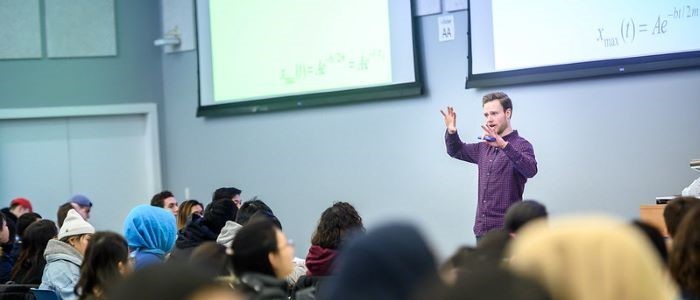
Teaching Development Program For New Faculty
The Teaching Development Program for new faculty supports instructors in their professional growth. The program runs from September to May each year and provides a space to build connections with peers and explore your role in the broader UBC teaching community, and engage in reflective and learner-centered teaching approaches.
Audience: Faculty and postdocs at UBC Vancouver and UBC Okanagan.

New Faculty Research Orientations
The Research Orientation Program provides information on the support provided by the VP Research & Innovation (VPRI) portfolio throughout the research lifecycle to UBC researchers and scholars. This self-directed series is designed for researchers new to UBC's Vancouver campus and affiliated health research institutes.
Audience: Faculty and postdocs at UBC Vancouver.
For UBC Okanagan, the UBCO VP Research & Innovation provides an overview of available research support.

Postdoctoral Fellows Orientation
Hosted several times per year by the Postdoctoral Fellows Office, explore and learn about important campus and academic information to help you and your families obtain the most from your Postdoctoral experience at UBC. This event also presents a valuable opportunity to connect with other postdocs across campus.
Audience: Postdocs at UBC Vancouver.
For UBC Okanagan, new postdocs will be directly invited to UBCO postdoc orientation events when they are scheduled.
Orientation programs

New to UBC Vancouver Connections Program
A self-directed, cohort-based program designed to support new faculty and staff within their first year of employment by building new connections within the UBC community and creating shared experiences as they navigate their onboarding journey.
Program participants are matched into small groups and determine how frequently to meet with group members and what types of activities to engage in.
Audience: Faculty, staff and postdocs at UBC Vancouver.

Indigenous Learning Pathways (ILP) Program
A self-directed, multi-course online training that supports faculty and staff to meaningfully and respectfully engage with Indigenous histories, knowledges, perspectives, and realities in their role at UBC.
Throughout the year, guided learner engagement events are hosted by project partners, which will support learners to more deeply engage in course content and connect with colleagues across UBC.
Audience: Faculty, staff and postdocs at UBC Vancouver.
Community events
Discover campus‑wide community events that help you meet colleagues, build community, and learn about day-to-day life at UBC beyond your role. Here you will find opportunities to get active, share meals, and join on campus traditions.

Faculty & Staff BBQ
Held annually in September, this event welcomes faculty, staff and postdocs to the new academic year and is a wonderful opportunity to enjoy a complimentary BBQ lunch, live entertainment, connect with colleagues, and engage with community partners at the many community tables. It is also the largest annual staff and faculty event at UBC, welcoming more than 5,000 faculty, staff and postdocs each year.

Harvest Feastival
Celebrate the start of the school year (and homecoming week) by spending a cozy fall evening surrounded by 700 of your closest friends, family, and colleagues under an outdoor tent, at this beloved campus celebration. The experience includes a family-style feast of locally-sourced dishes, followed by an exclusive lineup of arts and cultural experiences at UBC’s world-class Arts and Culture District.

Faculty & Staff Sports Day
This annual event in May brings together hundreds of colleagues for friendly competition, creative team costumes, and a whole lot of fun. With activities spread across iconic UBC venues and an after celebration to wrap things up, it’s the perfect way to meet people, build connections, and immerse yourself in the UBC community. Come join the fun and see what UBC spirit looks like in action.
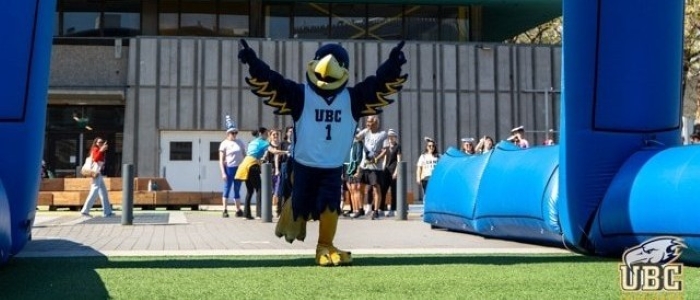
Faculty & Staff Recreation Program
The Faculty & Staff Recreation Program hosts free summer sports tournaments, including volleyball, dodgeball, and softball, on the UBC Vancouver campus. Each of these events offers an afternoon for team-building and is a great opportunity to meet new people in the UBC community through friendly competition. In addition, there are regularly scheduled free drop-in programming that is available UBC Faculty & Staff.

Walk for Joy Program
Walk for Joy is a 9‑week movement challenge running every year from February to April across UBC Vancouver and UBC Okanagan. Participants can join with up to a 5-member team or participate individually, and will try to accumulate as many steps during each week. With weekly leaderboards and a big focus on connection, it’s an easy, energizing way to sit less, move more, and build community on campus.

UBC Hot Lunch AT St. John’s College
UBC’s cross-campus staff networking initiative, bringing colleagues together to learn about each other and the work of other areas of the university. Every month during the academic year, a senior leader is invited to share more about themselves personally and professionally while attendees make meaningful connections over a buffet-style lunch featuring international cuisines. Events are also live-streamed.